
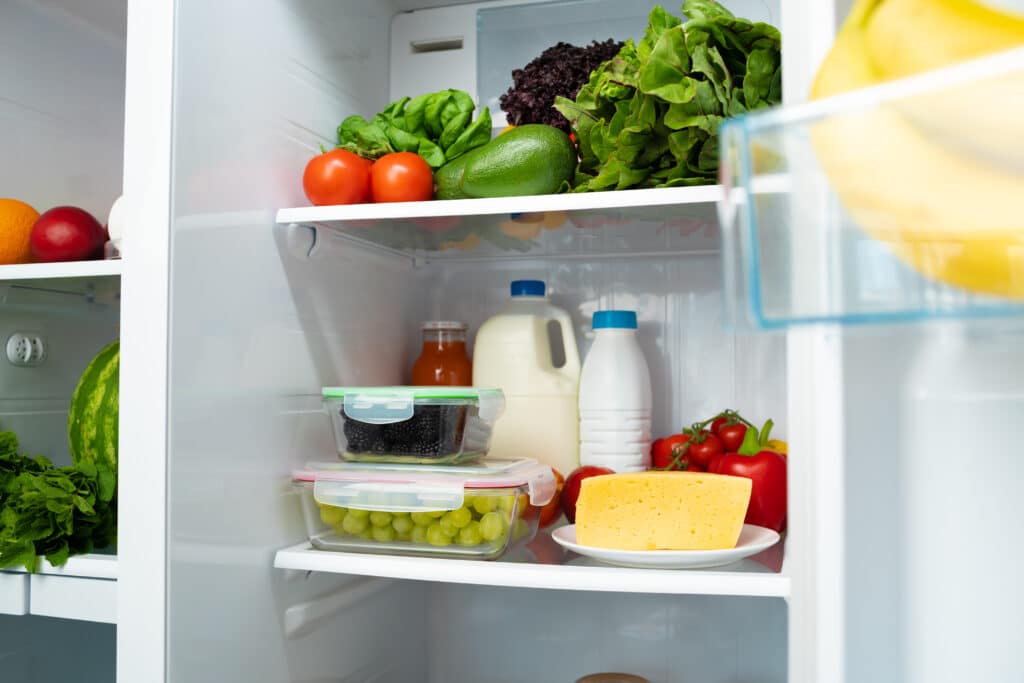
When you’re preparing to move house, moving food is usually way down the list of considerations, but it needs to be one of the first in your planning. This is because of one simple reason: moving food is a waste of time and money.
Why is it a waste of time and money?
Food, drinks and other items are consumable. If you can use them, you don’t have to pack them or pay for them to get moved. Every extra box adds cost to your move, so having the bare minimum of food before moving day will save you time packing it up and save you money in moving costs. If you’re moving long distance, it could actually cost you more to move food items than it would cost to buy them new after you have moved.
Tip: apply this reasoning to all your household consumables. A bulk pack of toilet rolls, for example, could occupy a whole moving box. As moving day approaches, replace such items with smaller packs.
Certain foods also don’t travel well, like anything frozen or stored in breakable containers such as glass jars. If food spoils or containers break in transit, it goes to waste, as well as making an unwanted mess in your boxes.
Declutter your fridge and pantry
We always encourage the idea of decluttering when it comes to moving house for the same reason as above. The less you have to move, the less it costs. Decluttering your fridge and pantry is one of the easiest decluttering tasks, but you need to plan to do it as soon as you know you’re moving. Start by disposing of any items that have passed their best-by or expiry date, and you’re already on your way.
Meal planning
Take account of all the food in your fridge, freezer and pantry and plan meals around using up as many items as possible. Don’t replace these items unless it’s absolutely necessary. You can restock the fridge and pantry after you move. Embrace empty shelves and fridge and freezer space as an achievement, but don’t compromise preparing healthy and nutritious meals.
Tips:
- Eat down the freezer first, as these items do not travel well unless you’re only moving a short car ride away.
- Many moving companies won’t carry certain food items that could break, spoil or attract pests while in transit or storage. Ask your moving company what they won’t carry, and plan to use up these items so you don’t have to carry them yourself.
- If you know you can’t transport any food items and they’re still good to eat, give them to friends, neighbours or your local food bank if unopened.
Packing food
Realistically, it’s very difficult to use everything up, so you’ll end up having to pack some food if you can’t give it away or dispose of it.
Food in breakable containers
Food in glass jars needs to be packed with the same care as any breakables. Use a small box, as these items are heavy. Secure items with bubble wrap or similar protective materials to reduce the chance of breakages. You should also consider paper or cardboard packaging as breakable with the risk of tears. These items won’t need wrapping like glass, but consider putting them in plastic bags for protection.
Food in plastic containers
Non-breakable containers don’t need wrapping, but use balls of packing paper to fill any empty spaces so they can’t move around, open or spill. Also use small boxes for these items so they are easy to carry.